

Elegance with a Lighter Footprint

Today we explore selecting low-embodied-carbon finishes for high-end interiors, balancing impeccable aesthetics with measurable climate responsibility. Expect practical criteria, procurement tips, and stories from practice that prove opulence can coexist with restraint, crafting spaces that feel timeless, inviting, and remarkably considerate of their wider environmental consequences.

Defining Impact Beyond the Surface

Embodied carbon measures the greenhouse gases released before a finish ever meets your wall, floor, or millwork. From raw extraction through manufacturing and delivery, it accumulates quietly. Understanding life-cycle stages, reading credible data, and setting clear targets lets designers retain luxurious expression while cutting emissions decisively, proving refinement and responsibility can enrich one another rather than compete.

Comparisons That Keep the Glow, Not the Guilt

Material choice is a choreography of texture, light, and performance. When options appear equally exquisite, embodied carbon helps break ties. Substitutions need not read as compromises; they can refine character. By comparing verified data across finishes, many projects retain their signature glamour while choosing alternatives that tread softly, reinforcing a narrative of intelligent luxury and considered craft.

Stone, Terrazzo, and Engineered Alternatives

Natural stone’s extraction and transport can be intensive, especially with distant quarries and heavy slabs. Thin stone, terrazzo with recycled aggregates, or sintered stone can reduce impact when paired with local supply and efficient fabrication. Honed textures, careful jointing, and restrained slab sizes preserve grandeur while trimming emissions, creating quietly monumental gestures that honor geology without unnecessary freight.

Metals with Memory: Recycled Content and Finishes

High recycled-content aluminum and stainless steel often outperform virgin counterparts. Opt for mill finishes or powder coat over energy-hungry chrome plating. Brushed bronze tones can be achieved through PVD or patinas with gentler chemistry. Specify documented recycled content, require EPDs, and coordinate thicknesses with structural needs, ensuring metal details sparkle with confidence while reflecting a lighter embodied story.

Plasters and Paints that Breathe

Lime and clay plasters offer depth, repairability, and beautiful diffusion with comparatively modest impacts, especially when locally sourced. Lime even reabsorbs carbon during curing, albeit partially. Pair mineral paints or plant-based binders with low-VOC formulations, and detail walls for simple patching. The result is a living surface that ages gracefully, reduces replacements, and sustains tranquil light across decades.

Wood, Veneer, and Bio-Based Grandeur

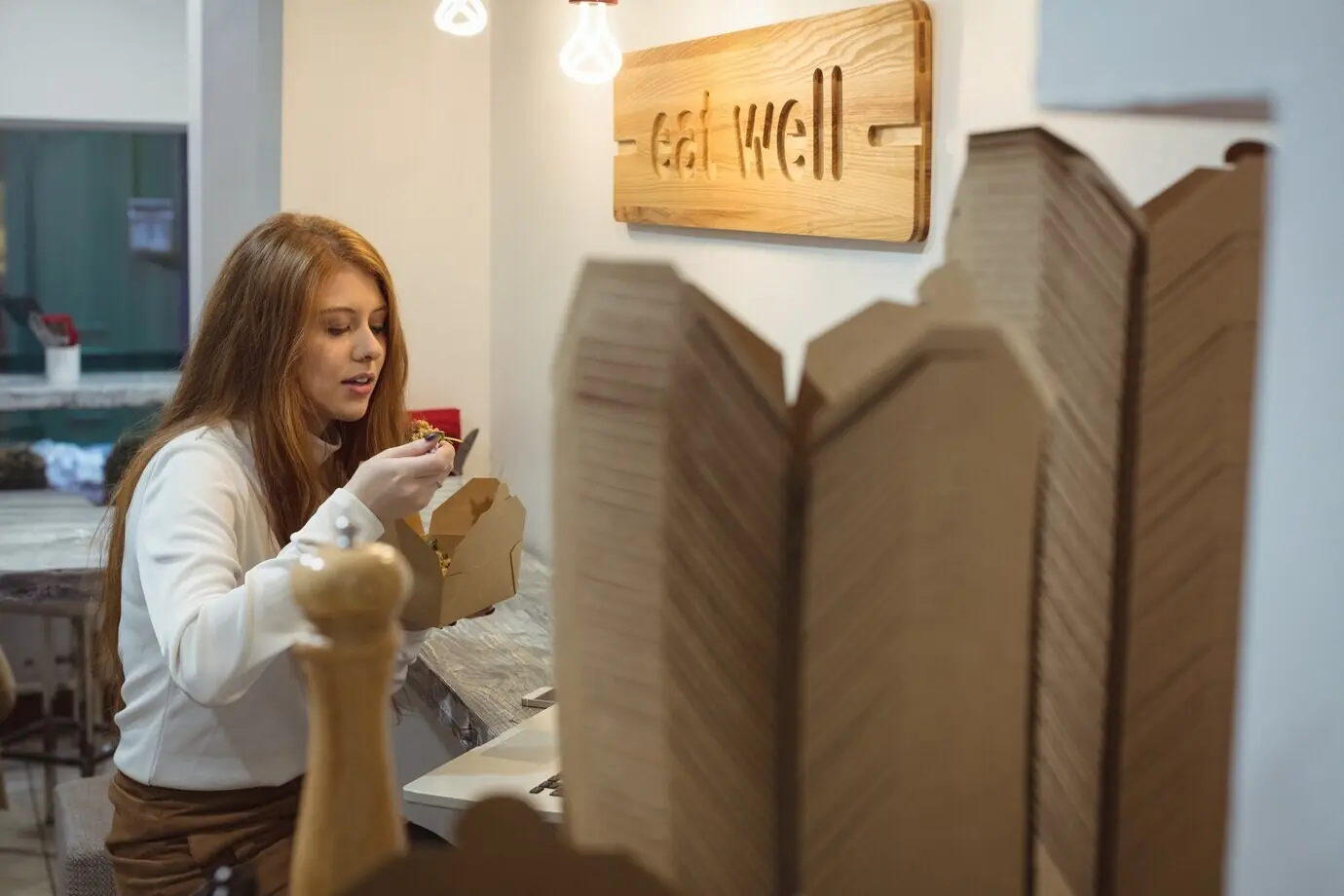
Wood speaks luxury through warmth and detail. Yet its carbon story varies with species, sourcing, core materials, adhesives, and finish chemistry. Choose verified forestry, lean construction, and durable finishing systems that accept future refinishing. With thoughtful specifications and transparent suppliers, woodwork can anchor an interior’s identity while safeguarding forests and storing biogenic carbon within exquisitely crafted joinery.

Textiles and Touchpoints with Gentle Footprints

Upholstery, drapery, and rugs shape acoustic comfort and mood. Their impacts hinge on fiber type, dye processes, backings, and fire standards. Natural fibers, recycled content, and verified supply chains reduce burdens without dulling sophistication. Seek durability, reparability, and timeless palettes, letting tactile richness invite lingering while the underlying material choices quietly reflect care for landscapes and craftspeople alike.
Wool’s inherent flame resistance reduces chemical treatments, while linen brings cool luster with agricultural frugality. Ask vendors for farm-level traceability, regenerative practices, and third-party verification. Blends with recycled fibers can soften impacts further. With robust weave density and serviceable construction, these textiles hold their drape and resilience, turning daily touchpoints into enduring comforts powered by conscientious sourcing and stewardship.
Color stories need not rely on heavy metal pigments or PFAS-based finishes. Choose solution-dyed fibers where suitable, and specify barrier fabrics that achieve standards without persistent chemistries. Insist on transparent testing and maintenance plans. Elegant neutrals, layered textures, and well-scaled patterns survive trends gracefully, limiting replacements and protecting indoor air, while still delivering couture-level detailing under changing daylight conditions.
Full-grain, vegetable-tanned leather ages beautifully when maintained, reducing turnover. Where animal products are inappropriate, consider mycelium-based or recycled leather composites with clear durability data and honest care requirements. Specify replaceable panels and stitched rather than glued details. The longest-lasting piece, thoughtfully serviced, outperforms any short-lived option, proving timeless silhouettes and responsible materials are twin pillars of genuine luxury.

Detailing, Assembly, and the Hidden Carbon

Adhesives, Grouts, and Underlayments that Respect the Ledger

Small components accumulate. Select cements with lower clinker content, epoxies with verified EPDs, and primers free from unnecessary solvents. Coordinate coverage rates and batch deliveries to curb waste. The right underlayment optimizes acoustics and flatness, preventing callbacks. These quiet specifications guard both performance and carbon budgets, turning background materials into strategic allies that support impeccable finishes and serene outcomes.

Prefabrication and Modular Craft

Shop-built panels, cassette ceilings, and prefinished millwork reduce site waste and accelerate schedules. Controlled environments allow precise spraying, curing, and quality checks, lowering rejects and travel. Coordinate module sizes with access constraints and service zones. When assemblies arrive ready to install, projects capture consistency and durability, converting efficiency into lower embodied carbon while maintaining extraordinary fit, alignment, and visual calm.

Care, Maintenance, and Refinish Cycles

Plan the afterlife from the start. Specify finish systems designed for spot repair, publish care guides, and train facility teams. Simple protocols for oil refreshes, polish schedules, and protective pads extend serviceability. By slowing replacement cycles, you amortize upfront impacts over many more years, preserving sheen and tactility while safeguarding budgets, carbon goals, and the client’s daily experience.

Cost Planning with Carbon in Mind

Pair quantity takeoffs with embodied carbon estimates, creating early targets per square meter. When numbers shift, iterate assemblies rather than abandoning intent. Clients appreciate seeing premium touchpoints framed by sensible baselines. The conversation moves from sacrifice to precision, revealing how smart substitutions maintain glow while tightening the footprint, transforming budgets into design instruments instead of constraints.

Lead Times, Risk, and Procurement Tactics

Secure materials with EPDs and transparency reserves first, then layer optional alternates. Vet production capacities, packaging practices, and logistics. Build schedule buffers for finishing sequences and acclimation periods, especially with wood and plasters. This orchestration protects aesthetic standards while minimizing expedited shipping and remakes, reducing both stress and emissions as the project glides smoothly toward handover.

Storytelling that Wins Approvals

Clients fall in love with stories. Bring samples under project lighting, share origin photos, and translate technical charts into relatable comparisons. Celebrate craftspeople and regional sourcing. Propose one signature gesture and several quiet, beautifully efficient companions. Invitations to touch, compare, and comment turn review meetings into collaborative discoveries, inspiring enthusiastic approvals and referrals while championing a lighter material footprint.

Proof, Labels, and Performance You Can Count

Transparency converts aspiration into measurable success. Certifications and disclosures help curate the supply chain without diluting design intent. By requesting recognized labels and third-party data, teams anchor selections in evidence, align with broader project frameworks, and communicate results confidently. Verification becomes a design material too, shaping elegant choices that withstand scrutiny and inspire future, even bolder, responsible moves.

Finish Palette and Carbon Results

We paired clay plaster walls with recycled-content terrazzo, rift-cut oak veneer on formal panels, powder-coated aluminum trims, and wool-linen textiles across seating. EPD-backed selections guided choices, while mockups refined edges and sheen. Compared to initial alternates, the final palette significantly reduced embodied carbon, yet delivered stillness, depth, and sophisticated light play that clients immediately felt and wholeheartedly embraced.

Craft Partners and Lessons Learned

Local plaster artisans perfected a soft, repairable surface, while millworkers optimized sheet yields through meticulous nesting. Transparent metal fabricators shared scrap rates and recovery plans. Early engagement trimmed waste, tightened schedules, and raised confidence. The lesson: relationships and clear metrics turn careful intentions into consistent excellence, enabling design teams to pursue bolder gestures with less risk and lighter footprints.

Where We Could Improve Next Time

We will prioritize even shorter transport routes for aggregates, expand take-back agreements for textiles, and pilot reversible mounting for large panels. Ongoing maintenance training will be formalized. Share your strategies or questions; we love learning with peers. Subscribe for the next studio note, where we compare limewash systems and discuss elegant detailing for discreet, future-friendly refinishing.
Tixozaxemefopetofe
Privacy Overview

This website uses cookies so that we can provide you with the best user experience possible. Cookie information is stored in your browser and performs functions such as recognising you when you return to our website and helping our team to understand which sections of the website you find most interesting and useful.